Navigating Employment Pathways for Newcomers: How Amal Newcomers Services Can Help
- Ammal Newcomers services

- 2 déc. 2025
- 11 min de lecture
Finding a job in a new country can feel overwhelming. Newcomers often face challenges like unfamiliar job markets, language barriers, and lack of local experience. Amal Newcomers Services offers a clear path to employment by providing tailored support that helps newcomers build skills, connect with employers, and gain confidence. This post explores how Amal Newcomers Services guides newcomers through the employment journey, making the process smoother and more successful.

Understanding the Challenges Newcomers Face
Starting fresh in a new country means adapting to many changes. Employment is often a top priority but also one of the hardest areas to navigate. Common challenges include:
Language barriers that limit communication and understanding of job requirements.
Lack of local work experience which employers often prioritize.
Unfamiliarity with job search processes such as resume formats, interview styles, and workplace culture.
Limited professional networks that make finding job leads difficult.
Credential recognition issues where foreign qualifications may not be accepted or understood.
These barriers can lead to frustration and delay in securing meaningful employment. Without support, newcomers may accept jobs below their skill level or remain unemployed longer than necessary.
How Amal Newcomers Services Supports Newcomers
Amal Newcomers Services plays a crucial role in assisting individuals and families who are new to the community, particularly immigrants and refugees. The organization is dedicated to providing a comprehensive range of services that address the unique challenges faced by newcomers as they transition to life in a new country. One of the primary ways Amal Newcomers Services supports newcomers is through its orientation programs. These programs are designed to familiarize new arrivals with the local culture, laws, and social systems. Participants receive essential information about public transportation, healthcare services, educational opportunities, and community resources. By equipping newcomers with this foundational knowledge, Amal helps them navigate their new environment with greater confidence and ease. In addition to orientation, Amal Newcomers Services offers language training programs that focus on improving English language skills, which are vital for successful integration. These classes are tailored to various proficiency levels and emphasize practical communication skills that can be used in everyday situations, such as job interviews, social interactions, and academic settings. By enhancing their language abilities, newcomers are better prepared to engage with the community and pursue employment opportunities. Employment support is another significant aspect of the services provided by Amal. The organization offers job search assistance, resume writing workshops, and interview preparation sessions. These resources are invaluable for newcomers who may face barriers to employment due to a lack of local experience or unfamiliarity with the job market. Furthermore, Amal collaborates with local businesses and organizations to create job placement opportunities specifically for newcomers, helping them to secure meaningful employment that aligns with their skills and aspirations. Social integration is equally important, and Amal Newcomers Services actively fosters connections among newcomers and between newcomers and established community members. The organization organizes cultural events, social gatherings, and mentorship programs that encourage networking and relationship-building. These initiatives not only help newcomers to form friendships and support networks but also promote cultural exchange and understanding within the broader community. Moreover, Amal provides access to legal support and advocacy services, assisting newcomers in understanding their rights and responsibilities. This includes help with immigration processes, access to social services, and guidance on navigating legal issues that may arise. By offering these critical services, Amal empowers newcomers to advocate for themselves and ensures they have the resources needed to address any legal challenges they may encounter. Finally, Amal Newcomers Services is committed to continuous improvement and responsiveness to the needs of the community. The organization regularly seeks feedback from newcomers to better understand their experiences and challenges. This feedback informs the development of new programs and the enhancement of existing services, ensuring that Amal remains a vital resource for those embarking on the journey of resettlement. Through these diverse and comprehensive services, Amal Newcomers Services plays an essential role in supporting newcomers as they adapt to their new lives. The organization not only helps individuals and families overcome immediate challenges but also fosters long-term integration and success within the community.
Amal Services specializes in helping newcomers overcome these obstacles through a comprehensive employment pathway. Amal's approach includes:
Personalized Employment Planning
Personalized employment planning is a tailored approach that focuses on the unique needs, skills, and aspirations of individuals seeking employment. This method recognizes that each job seeker has distinct experiences, strengths, and challenges that influence their career path. By adopting a personalized framework, employment planning can significantly enhance the likelihood of successful job placement and job satisfaction.
Understanding Individual Needs
At the core of personalized employment planning is a comprehensive assessment of the individual’s skills, interests, and career goals. This process often begins with an in-depth interview where job seekers can express their aspirations, previous work experiences, and any barriers they may face in the labor market. Additionally, standardized assessments may be utilized to evaluate skills and competencies, providing a clearer picture of the individual’s capabilities.
Setting Realistic Goals
Once a thorough understanding of the individual’s background and ambitions is established, the next step involves setting realistic and achievable employment goals. These goals should be specific, measurable, attainable, relevant, and time-bound (SMART). For instance, rather than a vague goal of "finding a job," a personalized plan might outline the objective of securing a part-time position in a specific industry within three months, along with the steps needed to achieve this goal.
Developing a Tailored Action Plan
A personalized employment plan typically includes a detailed action plan that outlines the steps the individual must take to reach their employment goals. This may involve a variety of activities such as:
Skill Development: Identifying gaps in skills and providing access to training programs, workshops, or online courses that align with the job market demands.
Resume and Cover Letter Assistance: Offering personalized guidance on how to create impactful resumes and cover letters that highlight the individual’s unique strengths and experiences.
Networking Opportunities: Facilitating connections with industry professionals and potential employers through networking events, informational interviews, and social media platforms like LinkedIn.
Interview Preparation: Conducting mock interviews to help individuals practice their responses and gain confidence in presenting themselves effectively to potential employers.
Continuous Support and Adjustments
Personalized employment planning is not a one-time event; it involves ongoing support and adjustments as needed. Regular check-ins can help track progress, address any emerging challenges, and celebrate successes along the way. This continuous support is crucial for maintaining motivation and adapting the plan as the job market evolves or as the individual’s circumstances change.
The Role of Technology
In today’s digital age, technology plays a significant role in personalized employment planning. Many organizations utilize specialized software and online platforms to help individuals manage their job search, track applications, and connect with resources. These technological tools can streamline the process, making it easier for job seekers to access information and support tailored to their specific needs.
In summary, personalized employment planning is a dynamic and individualized approach to job seeking that emphasizes the importance of understanding each person’s unique circumstances. By focusing on personalized assessments, realistic goal setting, tailored action plans, continuous support, and leveraging technology, this method not only enhances the chances of securing employment but also fosters a sense of empowerment and ownership over one’s career journey. Ultimately, personalized employment planning aims to create a pathway to meaningful and fulfilling work that aligns with the individual’s personal and professional aspirations.
Each newcomer receives a tailored plan based on their skills, experience, and goals. This plan outlines steps to improve employability, such as language training, skills upgrading, or credential assessment.
Language and Skills Training
Language and skills training is an essential component in the development of both personal and professional competencies. This training encompasses a wide range of activities designed to enhance an individual's ability to communicate effectively in a particular language, as well as to develop specific skills that are crucial in various contexts, including the workplace, educational settings, and social interactions. One of the primary goals of language training is to improve proficiency in speaking, listening, reading, and writing. This can involve immersive experiences, where learners are placed in environments that require the use of the target language, or structured lessons that focus on grammar, vocabulary, and pronunciation. For example, language courses may include interactive exercises, role-playing scenarios, and practical applications that allow learners to practice their skills in real-life situations. Additionally, the use of technology, such as language learning apps and online platforms, has revolutionized how individuals can engage with language training, making it more accessible and flexible. In parallel with language acquisition, skills training often focuses on specific competencies that enhance employability and personal development. This can include training in areas such as communication skills, critical thinking, problem-solving, teamwork, and leadership. Workshops, seminars, and hands-on training sessions are commonly employed to help individuals cultivate these skills. For instance, a communication skills workshop might involve group discussions, presentations, and feedback sessions that encourage participants to express themselves clearly and confidently. Moreover, the integration of language and skills training can significantly benefit individuals in multicultural and diverse environments. As globalization continues to shape the workforce, the ability to communicate across cultural boundaries becomes increasingly important. Language training that includes cultural awareness can prepare individuals to navigate different social norms and practices effectively, fostering better collaboration and understanding in diverse teams. Furthermore, language and skills training can be tailored to meet the needs of specific audiences, such as business professionals, healthcare workers, or educators. For instance, professionals in the business sector may require training that emphasizes negotiation skills and business terminology in a foreign language, while healthcare providers may need to learn medical vocabulary and patient communication techniques in a second language. This targeted approach ensures that learners acquire relevant skills that align with their career aspirations and personal goals. In summary, language and skills training is a multifaceted process that plays a vital role in enhancing communication capabilities and developing essential skills. By engaging in comprehensive training programs, individuals can improve their language proficiency, acquire valuable skills, and better prepare themselves for success in an increasingly interconnected world.
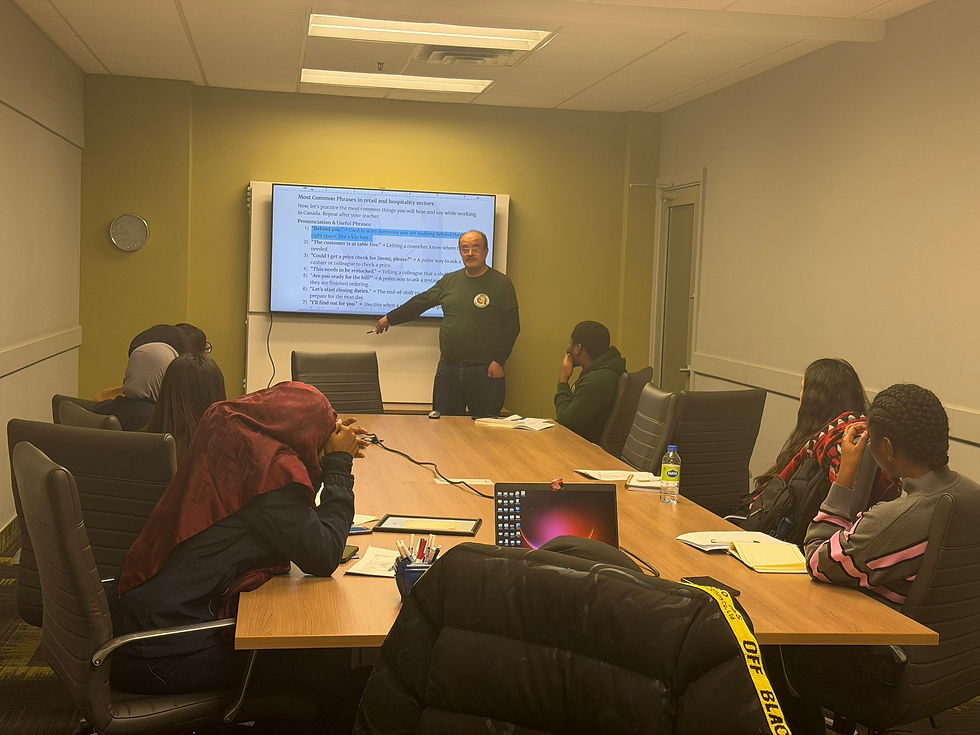
Amal offers language classes focused on workplace communication. Also, provide training in essential job skills like computer literacy, customer service, and workplace safety. This training builds confidence and readiness for Canadian workplaces.
Resume and Interview Preparation
Understanding local hiring practices is crucial. Amal helps newcomers create resumes that highlight their strengths in a format preferred by Canadian employers. They also conduct mock interviews to practice common questions and build interview skills.
Job Search Assistance
Amal connects newcomers with job postings and helps them apply effectively. They teach strategies for networking and using online job platforms. This guidance increases the chances of finding suitable opportunities.
Employer Connections and Job Placements
Through partnerships with local employers, Amal facilitates job placements and work experience opportunities. These connections help newcomers gain Canadian work experience, which is often a key to long-term employment success.
Real-Life Success Stories
Consider the example of Hanin, a newcomer with a background in accounting. She struggled to find work because her foreign credentials were not recognized. Amal Newcomers Services helped her enroll in a bridging program to upgrade her qualifications and provided job search coaching. Within six months, Lina secured a position as a junior accountant at a local firm. Her story shows how targeted support can turn challenges into opportunities.
Another example is Sami Ahmed, who arrived with limited English skills. Amal’s language classes and interview practice helped him improve communication and confidence. He found a job in retail, which matched his skills and allowed him to support his family while continuing to improve his language.
Practical Tips for Newcomers Using Amal Services
To get the most from Amal’s employment pathway, newcomers should:
Engage actively in all training and coaching sessions.
Be open to feedback and willing to adapt resumes and interview techniques.
Network within the community and attend job fairs or workshops.
Follow up on job leads and maintain regular contact with Amal advisors.
Set realistic goals and celebrate small achievements along the way.
The Role of Community and Ongoing Support
Community plays an integral role in fostering a sense of belonging and providing essential support in various aspects of life. Whether in personal development, professional growth, or mental health, the presence of a supportive community can significantly enhance individual experiences and outcomes. When individuals are surrounded by people who share similar goals, values, or challenges, they often find motivation and encouragement that can propel them forward. One of the primary benefits of being part of a community is the exchange of knowledge and resources. Members can share their experiences, insights, and expertise, which can be invaluable for personal and collective growth. For instance, in professional settings, networking within a community can lead to career opportunities, mentorship, and collaborations that might not have been possible in isolation. This sharing of resources not only enriches individual members but also strengthens the community as a whole, creating a cycle of support and empowerment. Moreover, ongoing support from a community can significantly impact mental health and well-being. Individuals facing challenges, whether they are personal struggles, health issues, or life transitions, often find solace in knowing that they are not alone. A supportive community can provide emotional backing, practical assistance, and a safe space for individuals to express their feelings and concerns. This sense of solidarity can alleviate feelings of isolation and anxiety, fostering resilience and promoting a healthier mindset. In addition to emotional support, communities can also offer structured programs and initiatives aimed at personal development. Workshops, group activities, and peer-led sessions can provide members with the tools and skills they need to navigate various life challenges. These programs often encourage participation and engagement, allowing individuals to learn from one another and grow together. Such environments not only enhance individual capabilities but also build stronger bonds among community members, reinforcing the idea that everyone is working towards common goals. Furthermore, the role of technology in fostering community support cannot be overlooked. Online platforms and social media have revolutionized how individuals connect, enabling people to find and engage with communities that align with their interests and needs, regardless of geographical barriers. Virtual communities can provide a wealth of information, support networks, and opportunities for interaction that might not be available locally. This digital connectivity enhances the ability of individuals to seek help, share experiences, and collaborate on various initiatives, creating a global tapestry of support. Ultimately, the essence of community lies in its ability to uplift and empower its members. Ongoing support from a community not only enriches individual lives but also cultivates a culture of caring and collaboration. As individuals contribute to and benefit from their communities, they help create an environment where everyone can thrive. This interconnectedness is vital for personal and collective success, illustrating that while individual efforts are important, the strength of a supportive community can make all the difference in achieving one's goals and overcoming life's challenges.
Employment is just one part of settling in a new country. Amal Newcomers Services also offers support in areas like housing, health, and education, creating a holistic approach to newcomer integration. This community support helps reduce stress and allows newcomers to focus on building their careers.
Moving Forward with Confidence
In today's rapidly changing world, the ability to move forward with confidence is more crucial than ever. Whether in personal endeavors, professional pursuits, or navigating complex social landscapes, confidence serves as a powerful catalyst for success and resilience. It empowers individuals to embrace challenges, take calculated risks, and pursue their goals with a sense of purpose and determination. Confidence is not merely a fleeting feeling; it is a state of mind cultivated through experience, knowledge, and self-awareness. To move forward with confidence, one must first engage in self-reflection, identifying strengths and areas for improvement. This introspective process allows individuals to build a solid foundation of self-esteem, enabling them to face obstacles head-on rather than retreating in fear. Moreover, setting clear and achievable goals is an essential step in fostering confidence. By breaking down larger objectives into smaller, manageable tasks, individuals can create a roadmap that guides them toward their aspirations. Each small victory along this path reinforces a sense of accomplishment, further bolstering confidence and motivation. Celebrating these milestones, no matter how minor they may seem, is vital in recognizing progress and maintaining momentum. In addition to personal growth, surrounding oneself with a supportive network can significantly enhance one's confidence. Engaging with mentors, friends, and colleagues who provide encouragement and constructive feedback can help individuals overcome self-doubt and enhance their capabilities. Collaborative environments foster a sense of belonging and shared purpose, which can amplify one's confidence and drive. Furthermore, it is essential to embrace a growth mindset, which encourages individuals to view challenges as opportunities for learning rather than insurmountable barriers. This perspective shift allows for resilience in the face of setbacks, enabling individuals to adapt and evolve. Embracing failure as a stepping stone to success rather than a definitive endpoint cultivates a more robust sense of confidence, as it reinforces the idea that growth comes from perseverance and learning. In conclusion, moving forward with confidence is an ongoing journey that involves self-reflection, goal-setting, support from others, and a commitment to personal growth. By embracing these principles, individuals can navigate life's uncertainties with assurance, turning aspirations into reality and ultimately leading to a more fulfilling and successful life. The journey may be challenging, but with confidence as a guiding force, the possibilities are limitless.
Navigating the job market in a new country takes time and effort. Amal Newcomers Services provides a structured pathway that breaks down barriers and builds skills step by step. Newcomers who use these services gain practical tools, local experience, and connections that open doors to meaningful employment.
Commentaires